Marline Barista: A Sophisticated Script Font for Modern Brand Campaigns
Marline Barista in a Product Launch Teaser: Setting the Tone with Elegant Typography
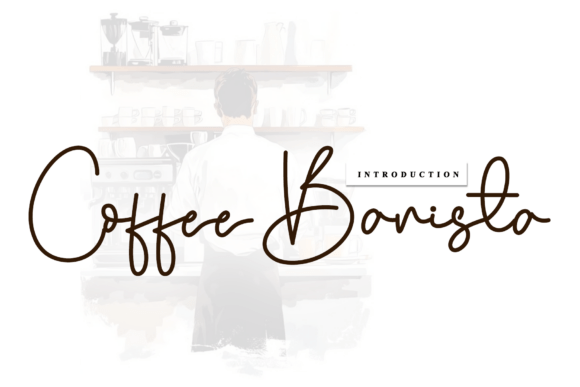
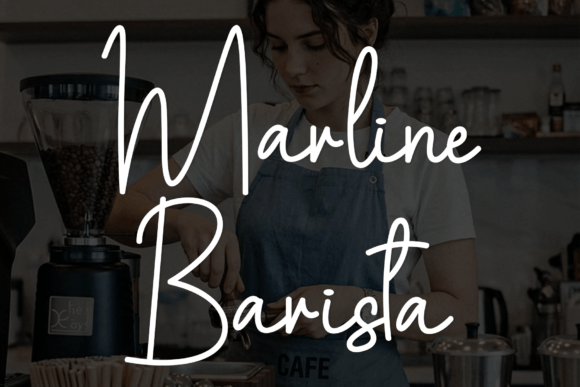
As I sat down to design a teaser graphic for a client’s new line of artisanal coffee products, I knew the font choice would set the emotional tone. Marline Barista, a beautifully flowing and elegant modern handwritten script font, immediately came to mind. Its smooth, generous curves and graceful, elongated strokes gave the design a signature-like authenticity that felt personal yet professional. For a brand aiming to evoke warmth and craftsmanship, Marline Barista was the perfect typographic match.
Marline Barista for Instagram Stories and Pinterest Campaigns: Digital Visibility with Style
When designing for fast-scrolling feeds, legibility and visual impact are key. Marline Barista, as a Script Handwritten font, works best in short bursts—think headlines, callouts, or quote overlays. In a recent Instagram content series promoting a wellness course, I used Marline Barista for the main headline on story covers and Pinterest pins. The font’s elegant curves stood out beautifully against soft pastel backgrounds, drawing attention without competing with the visuals. On Pinterest, where typography often drives click-throughs, the font added a touch of sophistication that resonated with a creative, design-conscious audience.
Marline Barista for YouTube Thumbnails and Reels Covers: Branding in Motion
Thumbnail design is all about instant recognition. I recently tested Marline Barista in a set of YouTube thumbnails for a cooking channel’s seasonal recipe series. Using the font for overlay text like “Fall Favorites” and “Holiday Specials” created a warm, inviting tone. The elongated strokes helped the text stand out even in smaller preview sizes, especially when paired with a clean sans serif for supporting text. Marline Barista, as a Fonts option, isn’t ideal for long captions or subtitles, but it shines in short, impactful titles that need to communicate personality and clarity at a glance.
Marline Barista for Email Headers and Web Banners: Elevating Digital Promotions
In a recent email campaign for a boutique online shop, I used Marline Barista for the header text. The goal was to make the brand feel exclusive and handcrafted. The font’s signature style gave the email a custom-typography feel, which helped elevate the overall aesthetic. However, I made sure to pair it with a simple, highly legible sans serif for body copy. Marline Barista works best as a display font—it’s not designed for long-form content or small text. On web banners, especially those with a minimalist layout, the font added a touch of elegance without overwhelming the message.
Marline Barista in Font Pairing: Balancing Elegance with Readability
One of the most important considerations when using Marline Barista is font pairing. Because of its flowing, decorative nature, it pairs beautifully with clean, modern sans serif fonts like Montserrat or Lato. In a recent landing page design for a digital course launch, I used Marline Barista for the headline and a light-weight sans serif for subheadings and bullet points. This created a strong visual hierarchy—drawing attention to the key message while keeping the supporting text easy to scan. For brand identity kits, Marline Barista can serve as a logo-style accent or signature text, especially in industries like lifestyle, fashion, food, or creative services.
Marline Barista for Commercial Use: Licensing and Format Considerations
Before using Marline Barista in any campaign, it's important to verify the font’s licensing terms. Most modern Fonts marketed for creative use include commercial licenses, but it’s always good to double-check, especially if you’re designing templates for clients or resale. I also recommend reviewing the included styles—some script fonts come with alternates, ligatures, and multiple weights that can expand their versatility. Marline Barista offers a clean, consistent character set that works well across platforms, and its file formats (typically OTF and TTF) are compatible with most design tools like Photoshop, Illustrator, Canva, and Figma.