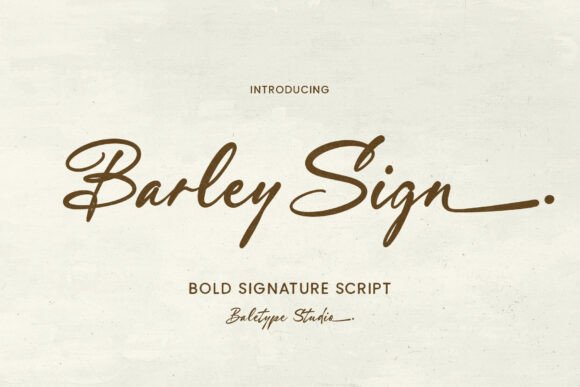
Barley Sign: A Bold Handwritten Script for Editorial Design
I was staring at a blank canvas on my screen, trying to finalize the cover design for a new lifestyle ebook when I realized the typography felt flat. The layout needed more soul, a touch of human warmth that standard geometric fonts simply couldn't provide. That is when I decided to test Barley Sign, a bold handwritten script with alternates, to see if it could elevate the entire project from a simple PDF into a premium editorial experience. As someone who spends hours curating Fonts for various digital and print projects, finding a typeface that balances personality with readability is always a challenge, but Barley Sign immediately caught my eye with its confident strokes and organic rhythm.
Barley Sign for Wedding Invitations and Elegant Branding
The moment I loaded Barley Sign into my design software, the mood of the page shifted instantly. This Script Handwritten font carries an inherent elegance that makes it perfect for high-stakes projects like wedding invitations or luxury branding materials. Unlike generic calligraphy fonts that can feel stiff or overused, Barley Sign offers a natural flow that mimics the movement of a real pen on paper. When I applied it to a mock-up invitation suite, the long end swash alternates added a sophisticated flourish without overwhelming the text. For creators building a brand identity around authenticity and personal connection, using Barley Sign for signature elements or logotype designs creates an immediate sense of trust and craftsmanship. It transforms a standard announcement into a memorable keepsake.
Creating a Personal Signature Style with Long Swashes
One of the most compelling features of this typeface is its versatility in creating unique signatures. Whether you are designing a coaching workbook or a professional portfolio, a custom signature adds a layer of authority and intimacy. Barley Sign allows you to craft these signatures with ease thanks to its included alternates. I experimented with pairing the main glyphs with the long end swash alternates to create a dramatic closing statement on a sample newsletter graphic. The result was a visual anchor that drew the reader's eye and emphasized the human element behind the content. This specific capability makes Barley Sign an invaluable asset for independent authors and consultants who want their digital documents to feel hand-crafted and exclusive.
Using Barley Sign for Blog Headers and Logotype Design
As I moved from the invitation concept to a potential blog redesign, I wondered how well this bold handwritten script would perform as a display font for headers. The answer was surprisingly effective. Barley Sign commands attention without sacrificing legibility, making it an excellent choice for blog titles, section headings, and even logotype design for content brands. In the world of web design, where users scan pages rapidly, a strong visual hierarchy is crucial. By using Barley Sign for primary headlines, I was able to establish a clear focal point that guided the reader through the narrative. The font's weight ensures it stands out against both light and dark backgrounds, providing a modern typography aesthetic that feels fresh and engaging.
Designing Impactful Quotes and Pull Text
Beyond headers, the font shines when used for pull quotes and inspirational text within articles. In my recent test layout for a digital magazine feature, I replaced the standard serif quote style with Barley Sign. The contrast between the clean body copy and the expressive script created a dynamic visual break that kept readers engaged. The bold nature of the strokes ensured that the quotes remained readable even at smaller sizes on mobile devices. This application highlights why Barley Sign is such a powerful tool for editorial designers looking to inject emotion into their layouts. It turns static text into a conversation, inviting the audience to pause and reflect on the words presented.
Pairing Script Handwritten Fonts with Readable Body Copy
A common concern when working with creative fonts like Barley Sign is how to pair them effectively with body text. To maintain a balanced reading experience, I paired this Script Handwritten font with a clean sans serif font for the main content. This combination leverages the best of both worlds: the personality and flair of the script for titles and accents, and the clarity and neutrality of the sans serif for long-form reading. The goal in any publication, whether it is an ebook, a printable planner, or a website, is to ensure that the design supports the message rather than distracting from it. By reserving Barley Sign for short bursts of text—such as chapter openers, subtitles, or decorative accents—the overall layout remains crisp and professional while still retaining its unique character.
Ensuring Readability Across Digital and Print Formats
When selecting Fonts for a multi-platform project, compatibility is key. I tested Barley Sign across various mediums, including a PDF export for a course guide and a responsive web layout for a client's homepage. The font held up remarkably well in both environments. On screen, the curves remained smooth and the details were sharp, ensuring that the long end swash alternates did not get lost on high-resolution displays. In print, the bold strokes provided excellent ink coverage, preventing the thin lines often found in lighter scripts from disappearing. This reliability makes Barley Sign a safe yet exciting choice for commercial font licensing in diverse applications, from social media graphics to physical merchandise packaging.
Evaluating Commercial Licensing and Font Features
Before finalizing any design asset, it is essential to review the technical specifications and licensing terms. Barley Sign comes equipped with a robust set of features, including multiple alternates and ligatures that expand its creative potential. For creators selling templates, ebooks, or printable guides, understanding the scope of the commercial license is vital to avoid legal issues down the line. I took time to explore the character map, noting the variety of styles available for customization. This depth allows designers to tweak the look of a logo or headline to fit specific brand guidelines without needing to manually draw letters. Investing in a premium font like this ensures that your design assets remain distinct and legally protected for all your publishing endeavors.
Bringing Personality to Course PDFs and Workbooks
In the realm of online education and self-publishing, the visual appeal of a document can significantly impact perceived value. I used Barley Sign to design the title page and chapter headers for a sample coaching workbook. The handwritten quality of the font made the material feel approachable and encouraging, which is critical for students engaging with educational content. Instead of a sterile corporate look, the use of this bold handwritten script suggested a mentorship relationship, fostering a deeper connection between the author and the learner. Whether you are creating a recipe ebook, a wellness guide, or a business strategy manual, incorporating Barley Sign can transform a standard document into a branded experience that resonates with your audience.
Finalizing Your Typography Strategy with Confidence
After spending the day experimenting with different layouts and use cases, it became clear that Barley Sign is more than just another font file; it is a versatile design partner. Its ability to function as a signature, a logotype, a branding element, or a decorative accent makes it a staple for any designer's toolkit. From the elegant swashes perfect for wedding invitations to the bold presence required for blog headers, this Script Handwritten typeface adapts to the needs of the project while maintaining its unique voice. For bloggers, publishers, and independent creators seeking to elevate their content, choosing the right Fonts is a decision that pays dividends in engagement and brand recognition. With Barley Sign, you gain a tool that brings warmth, professionalism, and artistic flair to every piece of content you produce.